Source Heavy Truck Rubber Seat for Tractors, Boats, and Cranes
Find and compare 30 heavy truck rubber seat options featuring air suspension, adjustable backrests, and durable PU or PVC covers. These universal adaptation seats suit heavy trucks, construction tractors, and industrial machinery with customizable colors and CE/ISO standards; compare the available evidence and request quotations based on your requirements.
Key considerations
Products List


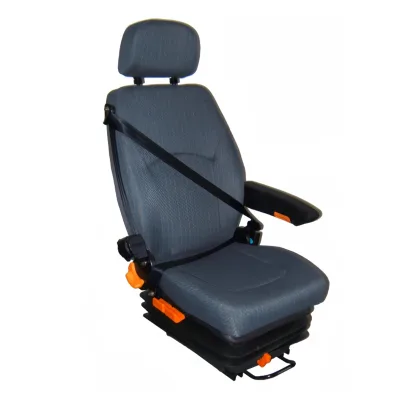
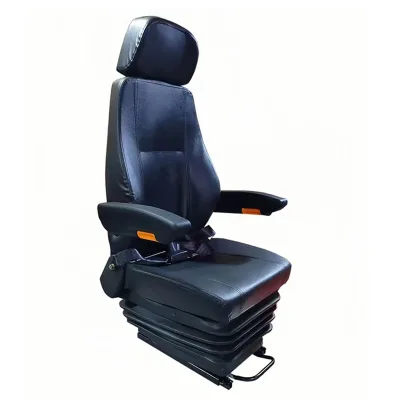
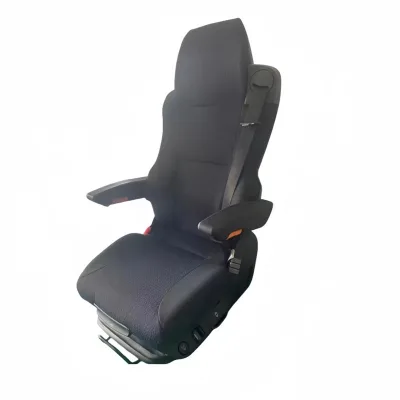
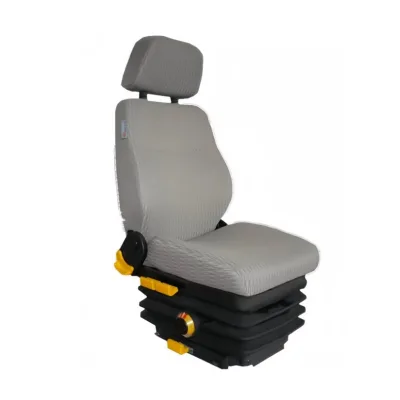


Comprehensive Sourcing Guide
Heavy Truck Rubber Seat Sourcing Guide
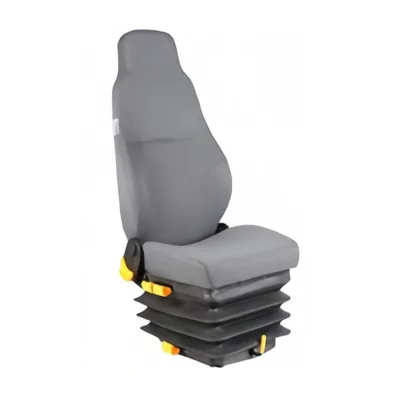
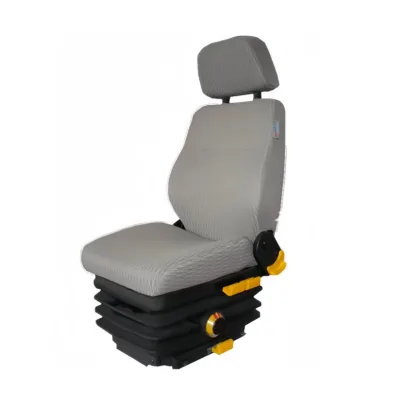
Sourcing heavy truck rubber seats requires careful evaluation of the specific suspension mechanisms and material compositions available in the current market. Buyers must distinguish between units featuring mechanical suspension and those utilizing air suspension systems, as the latter often provide superior vibration damping for long-haul operations. The observed product range includes models with adjustable fore/aft travel and backrest angles, which are critical for driver ergonomics and fatigue reduction during extended shifts.
Procurement decisions should also account for the diverse applications these seats serve, ranging from heavy trucks and construction tractors to cranes and harvesters. The material composition varies significantly, with options including PU, PVC, and fabric blends, each offering different durability profiles against environmental wear. Understanding these material distinctions is essential for selecting a seat that matches the specific operational intensity and environmental conditions of the intended vehicle fleet.
Product Scope and Observed Listing Signals
The market presents a wide array of seat configurations, with observed listings indicating a price range between 35.5 and 470 USD and minimum order quantities varying from one to fifty units. Buyers should note that customization is widely available, allowing for specific color requests and tailored packaging details such as carton or customer-specific requirements. This flexibility enables procurement teams to align product specifications with internal branding or logistical constraints without incurring prohibitive costs.
Listing signals also reveal a strong emphasis on universal adaptation, suggesting that many units are designed to fit a broad spectrum of vehicle models without extensive modification. However, specific model numbers like H001, H002, and YJ03 indicate distinct engineering profiles that may require verification against existing mounting points. Buyers must carefully cross-reference these model identifiers with their vehicle specifications to ensure compatibility, as the "universal" claim does not guarantee a direct fit for every chassis type.
Technical Specifications to Verify
Technical verification must begin with the suspension stroke and weight adjustment ranges, which are critical for maintaining driver comfort under varying load conditions. Observed data indicates suspension strokes of 80mm and weight adjustment capabilities spanning 50 to 130 kilograms, ensuring the seat can accommodate drivers of different sizes and weights. Additionally, the fore/aft adjustment range of 150mm to 175mm allows for precise positioning, which is vital for reaching pedals and controls safely.
Backrest adjustability is another key specification, with observed ranges extending from 35 to 170 degrees and some models offering a recline of 27.5 degrees with folding capabilities. Buyers should also verify the mounting hole dimensions, which are listed as 260mm or 296mm, to ensure seamless integration with the vehicle floor. The inclusion of optional accessories like seat belts, armrests, and micro switches further enhances functionality, but these must be confirmed as part of the final order to avoid compatibility issues.
Compliance and Safety Documentation
Compliance documentation is a non-negotiable aspect of sourcing heavy truck seats, with CE and ISO certifications appearing frequently in product listings. These certifications indicate that the manufacturer adheres to specific safety and quality standards, which is particularly important for vehicles operating in regulated markets. Buyers should request valid certificates for each batch to ensure that the products meet the necessary regulatory requirements for their destination country.
Quality standards are often summarized as "Good quality with CE and ISO," but buyers must verify the specific ISO standards, such as ISO9001, which governs the manufacturing process. The warranty period is typically one year or 12 months, providing a baseline for after-sales support and defect resolution. It is crucial to confirm that the warranty covers both the suspension mechanism and the upholstery materials, as these are the components most prone to wear and tear in heavy-duty applications.
Cost Drivers and Commercial Terms
Cost drivers in this category are heavily influenced by the complexity of the suspension system and the quality of the cover materials. Units featuring air suspension or advanced mechanical systems with extensive adjustability commands a higher price point compared to basic mechanical models. The choice between PU, PVC, and fabric covers also impacts the final cost, with premium materials offering better resistance to UV degradation and abrasion over time.
Commercial terms such as packaging details and shipping logistics play a significant role in the total cost of ownership. Most suppliers offer standard carton packing, but custom requests are available, which may incur additional fees. The minimum order quantity of one unit allows for small-scale testing, while larger orders may benefit from economies of scale. Buyers should negotiate clearly on these terms to ensure that the total landed cost aligns with their budget constraints.
Supplier Qualification and Quality Control
Supplier qualification should focus on the origin of the products, with the majority of listings indicating origins in China, specifically Shandong and Jiangxi provinces. These regions are known for their manufacturing capabilities in automotive parts, but buyers must verify the specific factory credentials to ensure consistent quality. The presence of online after-sales service is a positive indicator, suggesting that the supplier is committed to supporting the product throughout its lifecycle.
Quality control measures should include a review of the manufacturing standards and the specific certifications held by the supplier. While many listings claim ISO9001 certification, buyers should request evidence of this certification and verify its validity. The warranty period of one year serves as a baseline, but suppliers with a track record of providing robust after-sales support and spare parts availability are preferable for long-term procurement stability.
Long-Term Procurement Checks
Long-term procurement requires establishing a relationship with suppliers who can provide consistent quality and reliable after-sales service. Buyers should prioritize suppliers who offer OEM services and have a history of supplying parts for heavy trucks, construction tractors, and other heavy machinery. This ensures that the seats remain compatible with future vehicle models and that replacement parts are readily available when needed.
Regular performance checks and feedback loops are essential to maintain the quality of the supply chain. Buyers should monitor the condition of the seats after extended use, paying close attention to the suspension stroke and the integrity of the cover materials. Establishing a clear communication channel for reporting issues and requesting technical support will help mitigate risks and ensure that the fleet continues to operate safely and efficiently over the long term.
FAQs
What materials are used for heavy truck rubber seats?
Heavy truck rubber seats typically utilize PU or PVC materials for durability. Some models feature covers made from a combination of PVC and fabric to enhance comfort. These materials are selected for their resistance to wear and tear in demanding environments. The choice of material often depends on the specific application, such as construction tractors or general heavy trucks, ensuring longevity and user comfort.
Can heavy truck seats be customized for specific needs?
Yes, customization is available for heavy truck seats to meet specific operational requirements. Buyers can request custom colors or specific packaging details according to their requests. This flexibility allows for tailored solutions that fit various vehicle models and user preferences. Customization options ensure that the seats align perfectly with the intended use, whether for general seating or specialized heavy-duty applications.
What certifications do heavy truck rubber seats have?
Heavy truck rubber seats often carry CE and ISO certifications, ensuring compliance with international standards. Some models specifically mention ISO9001 certification, indicating a commitment to quality management systems. These certifications provide assurance regarding the safety and reliability of the seats. Buyers can rely on these documented standards when sourcing parts for heavy trucks, construction tractors, or other industrial vehicles requiring certified components.
How does the suspension system work in these seats?
These seats feature mechanical suspension and foamable designs for comfort. Some advanced models include air suspension with an 80mm stroke to absorb shocks effectively. The suspension system helps reduce driver fatigue during long hauls. Adjustments for fore/aft movement and backrest angles are also integrated, allowing drivers to find the optimal position for safety and comfort while operating heavy machinery or trucks.
What is the warranty period for heavy truck seats?
The warranty period for heavy truck seats is typically one year or 12 months. This coverage ensures that buyers are protected against manufacturing defects within the specified timeframe. After-sales service often includes online support to assist with any issues that may arise. This warranty reflects the manufacturer's confidence in the product's durability and quality, providing peace of mind for fleet operators and individual buyers alike.
Where are these heavy truck seats manufactured?
These heavy truck seats are manufactured in China, with origins in regions like Shandong and Jiangxi. The products are exported globally, adhering to international shipping and quality standards. The manufacturing location allows for competitive pricing and efficient production scales. Buyers can expect consistent quality and reliable supply chains from these established production hubs, ensuring timely delivery and support for their heavy truck parts needs.